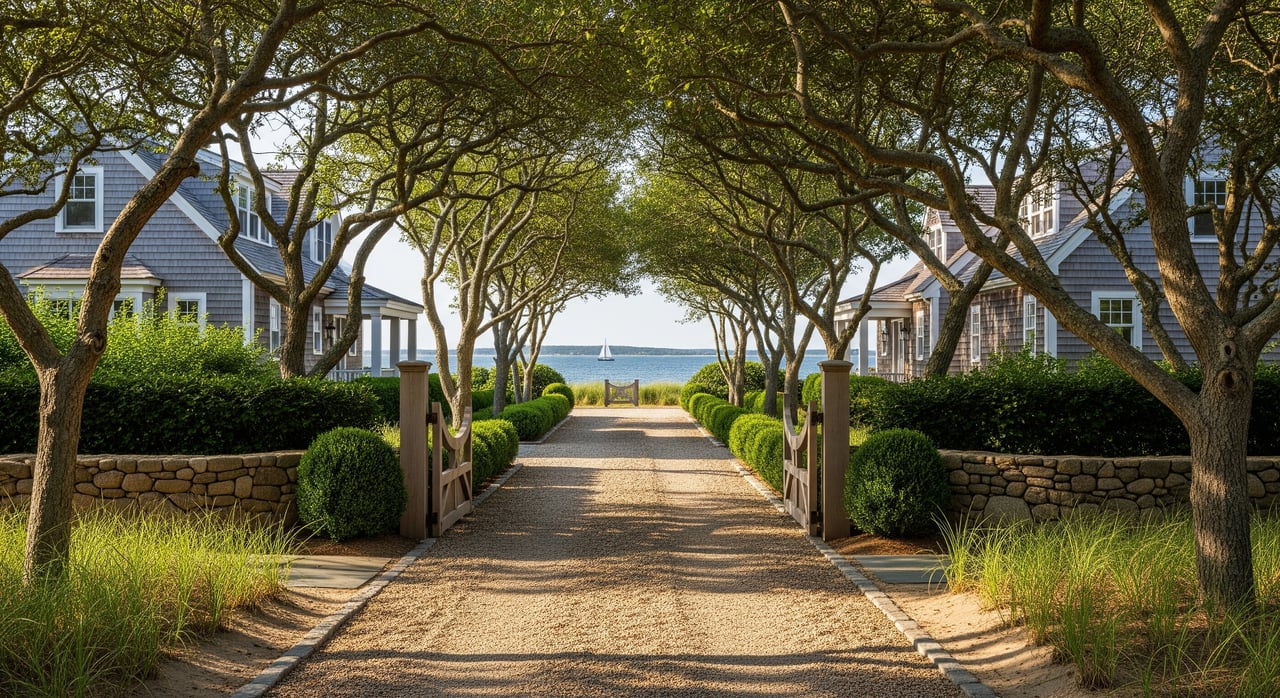
Eyeing a home on a quiet, tree-lined lane in Osterville and wondering what it means if the road is “private”? You are not alone. Many of the most charming streets on Cape Cod are private ways, and they come with unique responsibilities and benefits. In this guide, you will learn what a private way is, how maintenance and access usually work in Barnstable, and the steps that protect you before you buy. Let’s dive in.
What a private way means
A private way is a roadway not accepted or maintained by the Town of Barnstable. Upkeep falls to the owners who use it, an association, or a private company under recorded agreements. Until a road is formally accepted by the town, you should expect private responsibility for snow removal, paving, and drainage.
In practice, your rights and obligations are set by your deed, recorded easements, and any maintenance or HOA agreements. A title company and a real estate attorney can help you confirm these documents and explain what they mean for your use and costs.
Why this matters in Osterville
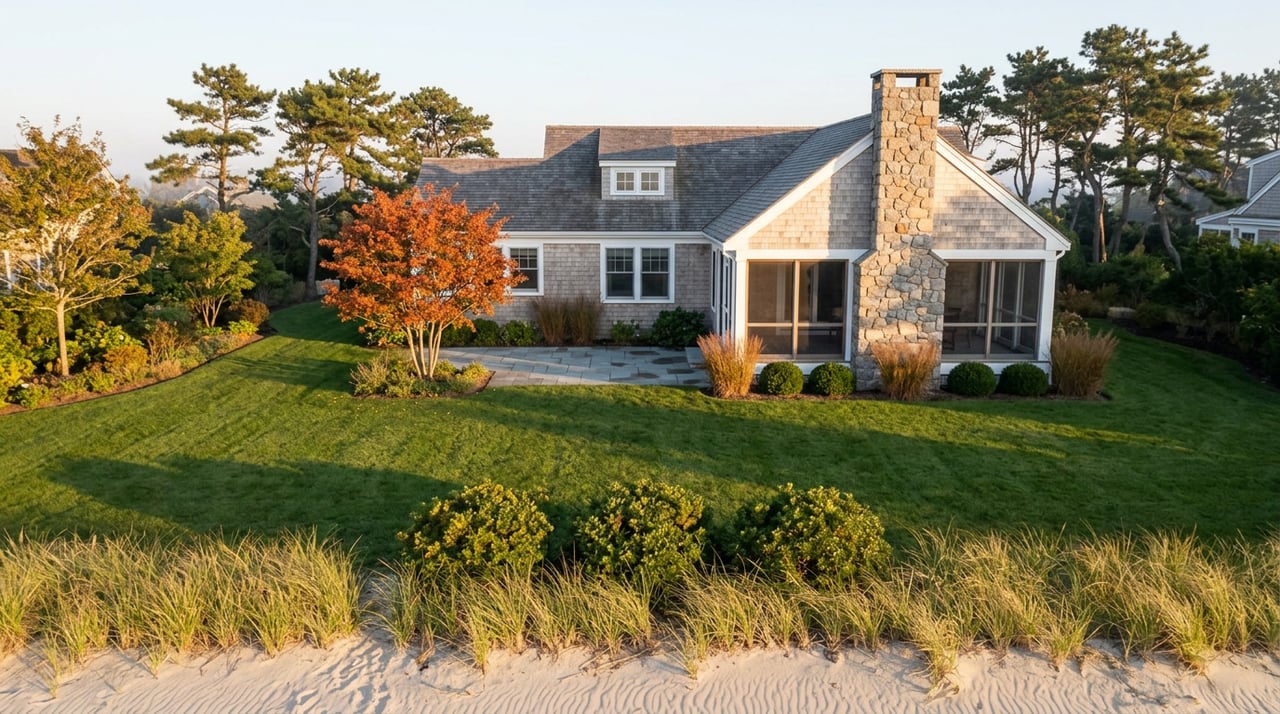
Osterville has a mix of historic cottages, year-round homes, and waterfront estates. Private ways are common, especially in older enclaves and near the water. That character is part of the appeal, but it also makes maintenance plans important.
Local conditions such as narrow lanes, mature trees, and seasonal traffic can stress road surfaces and drainage. Reviewing how the road is maintained, and who pays for what, helps you avoid surprises.
Access, services, and safety
Until a way is accepted by the town, municipal services like plowing and paving are generally not provided. Always confirm whether a specific street is on Barnstable’s accepted roads list with the Department of Public Works.
Emergency access is reviewed case by case. The Barnstable Fire Department may have minimum standards for width, turning radius, and load capacity so that fire and EMS can reach homes reliably. If the road is too narrow or poorly maintained, response can be delayed or conditioned on improvements.
How to verify status
- Contact Barnstable DPW to confirm whether the way is public or private and if any acceptance has been considered.
- Ask the Fire Department about access standards for your location and whether the way meets those standards.
- Review the Assessor’s and Building Department records for additional context on the street and any past issues.
Title and legal rights
Your deed, recorded easements, and any covenants or declarations define your legal access. Sometimes a private way is owned outright by one or more owners, and other times it is governed by recorded easements. In some cases, long-term use creates rights by prescription, which needs legal review.
Title insurance companies look for clear access rights and written maintenance agreements. Ambiguous or missing language can lead to title exceptions or lender conditions. A survey or plan that shows the right-of-way, widths, and shared features such as culverts is valuable during due diligence.
Maintenance and cost sharing
There are several common ways owners handle upkeep:
- Shared costs by frontage or per-lot, billed to abutters.
- An HOA or private association that collects dues and hires contractors for plowing, paving, and drainage.
- A lead owner or manager who organizes work and invoices others under a contract.
- No formal agreement, which often leads to conflict and legal complexity if repairs are needed.
Typical responsibilities include road repairs, snow plowing, drainage, tree trimming, signage, and insurance for the road or association. Well-run associations maintain reserve funds and have clear voting rules for special assessments and major projects.
How lenders and insurers view it
Most lenders require legal, year-round access suitable for emergency services. Some have additional requirements for the road surface or a written maintenance agreement. If documents are unclear or the road is in poor condition, underwriting can be delayed or denied.
Insurance can also be a factor. Owners who share a private way may have liability exposure for injuries on the road, so verifying insurance coverage for the road or HOA is important. Expect to provide lenders or insurers with copies of maintenance agreements and evidence of adequate liability limits.
Buyer due diligence checklist
Request documents early and review them during your inspection period:
- Fully executed deed and chain of title for the property and the private way, if applicable.
- Recorded easements, covenants, declarations, and any maintenance or road agreement.
- HOA bylaws, budgets, rules, minutes for the last 2 to 3 years, and insurance declarations.
- Recent invoices or contracts for plowing, paving, drainage work, and notices of special assessments.
- A current survey or site plan that shows the right-of-way, width, and shared features like culverts.
- Correspondence with the Town of Barnstable about road acceptance, code issues, or emergency access.
- Any permits or engineering reports related to drainage or road improvements.
Technical checks you should perform:
- Walk the road and look for potholes, edge erosion, standing water, and failed drainage.
- Confirm road width, turning radii, and load capacity are suitable for fire and EMS vehicles.
- Verify utility locations and easements, and check for encroachments such as fences or plantings.
Questions to ask sellers, neighbors, or association leaders:
- Who is responsible for maintenance, and is there a written agreement?
- How are costs split and billed, and are there any pending or planned assessments?
- How much is in the reserve fund, and when was the last repaving or major repair?
- Are there disputes or litigation related to the road?
- Has the town ever provided emergency repairs or considered accepting the way?
- Have there been any emergency access issues for Fire or EMS?
Red flags to watch
- No written maintenance agreement or unclear cost-sharing formula.
- Repeated special assessments or low reserve balances.
- Evidence of deferred maintenance such as washed-out edges or failed culverts.
- Recorded easements that limit access width or restrict repair options.
- Fire Department concerns about access or width.
- Lender or title exceptions related to the private way.
If you see these risks, pause and consult your attorney and lender before moving forward.
Benefits vs trade-offs
Private ways often deliver greater privacy and less through traffic. They can have a distinctive character that fits Osterville’s historic and coastal feel. Some areas also include shared amenities such as common land or private beach access governed by association documents.
The trade-offs are real. You take on ongoing financial obligations for upkeep, responsibility for timely snow removal, and the potential for neighbor disputes if governance is informal. For higher-value properties, road costs may be a smaller share of overall ownership, but buyers still prefer clear documents and healthy reserves that support marketability.
Smart steps to move forward
- Get clarity in writing. Insist on recorded access and maintenance documents, not just verbal assurances.
- Underwrite the road like the house. Review budgets, reserves, recent invoices, and any planned capital work.
- Confirm emergency access. Ask the Barnstable Fire Department about width and turning standards for your area.
- Coordinate early with your lender and insurer. Provide road agreements and insurance details to avoid last-minute issues.
- Use the inspection window. If the road needs work, obtain cost estimates from a civil engineer or road contractor and factor them into your offer strategy.
Buying on a private way in Osterville can be a smart move when documents are clear, governance is solid, and reserves are adequate. You get the setting you love with fewer surprises, and you protect your financing and resale prospects.
Ready to evaluate a specific property on a private way or refine your due diligence checklist for Osterville? Reach out to Cliff Carroll for experienced, local guidance tailored to Cape Cod’s private road nuances.
FAQs
What is a private way in Barnstable?
- A private way is a road not accepted or maintained by the Town of Barnstable, so upkeep is handled by owners, an association, or a private entity under recorded agreements.
Does the town plow private ways in Osterville?
- Generally no. Until a way is formally accepted by the town, owners or associations arrange snow removal, paving, and drainage services.
How do lenders handle homes on private roads?
- Lenders typically require documented, year-round legal access and may ask for a written maintenance agreement and proof of adequate road condition for emergency access.
What documents should I review before buying?
- Review your deed, recorded easements, any road or maintenance agreement, HOA bylaws and budgets, recent invoices for work, reserve balances, and a current survey or plan.
Who decides when a private way gets repaired?
- In an HOA, bylaws and voting rules control decisions and assessments. Without formal governance, owners may rely on custom or face disputes that sometimes lead to legal action.
What are common red flags with private ways?
- No written maintenance agreement, unclear cost sharing, low reserves, deferred maintenance, narrow access that concerns the Fire Department, or lender and title exceptions tied to the road.