Picture a July morning when the harbor is glassy, the fog lifts by noon, and you bike to the beach for an afternoon swim before sunset in Madaket. If you are considering a Nantucket summer home, you probably want to know what daily life really feels like and what it takes to own on the island. This guide walks you through the routines owners love and the practical details that make the season run smoothly. Let’s dive in.
Summer rhythm and vibe
Nantucket is strongly seasonal, with the most activity from late spring through early fall. The pace peaks in June through August, when restaurants, boutiques, and cultural events go full schedule. Expect more visitors, traffic, and demand for services during holiday weeks and special events like regattas and film or music festivals.
Weather shapes the day. Summers are mild with sea breezes, and fog is common. Ocean conditions vary by beach. Southern Atlantic beaches such as Surfside and Cisco have more surf, while Nantucket Sound locations like Children’s Beach and Jetties are calmer. Plan flexibly and watch ferry or flight updates when fog rolls in.
Downtown and the waterfront hum with energy, while Siasconset, Cisco, and west-end beaches offer a different pace. Your experience can be lively or low-key depending on where you spend time.
Beaches: how owners use them
Beach options and etiquette
You will find a beach for every mood. Popular choices include Surfside, Cisco, Madaket, Sconset, Children’s Beach, and Jetties. Main beaches typically have lifeguards in summer. Learn local etiquette quickly. Use marked access paths, carry out your trash, and watch for seasonal postings.
Parking, permits, and timing
Parking is limited at popular beaches. Arrive early on weekends and peak weeks, and check local rules for residential or parking permits. Many owners keep beach gear in the car and go light to make arrivals and departures easy.
Dune care and conservation
Dune protection is taken seriously. Respect fencing, signage, and rerouted paths during restoration or planting periods. Owners near the shore often coordinate with conservation and permitting offices before any beach or dune work.
Boating and harbor life
Moorings, slips, and harbor rules
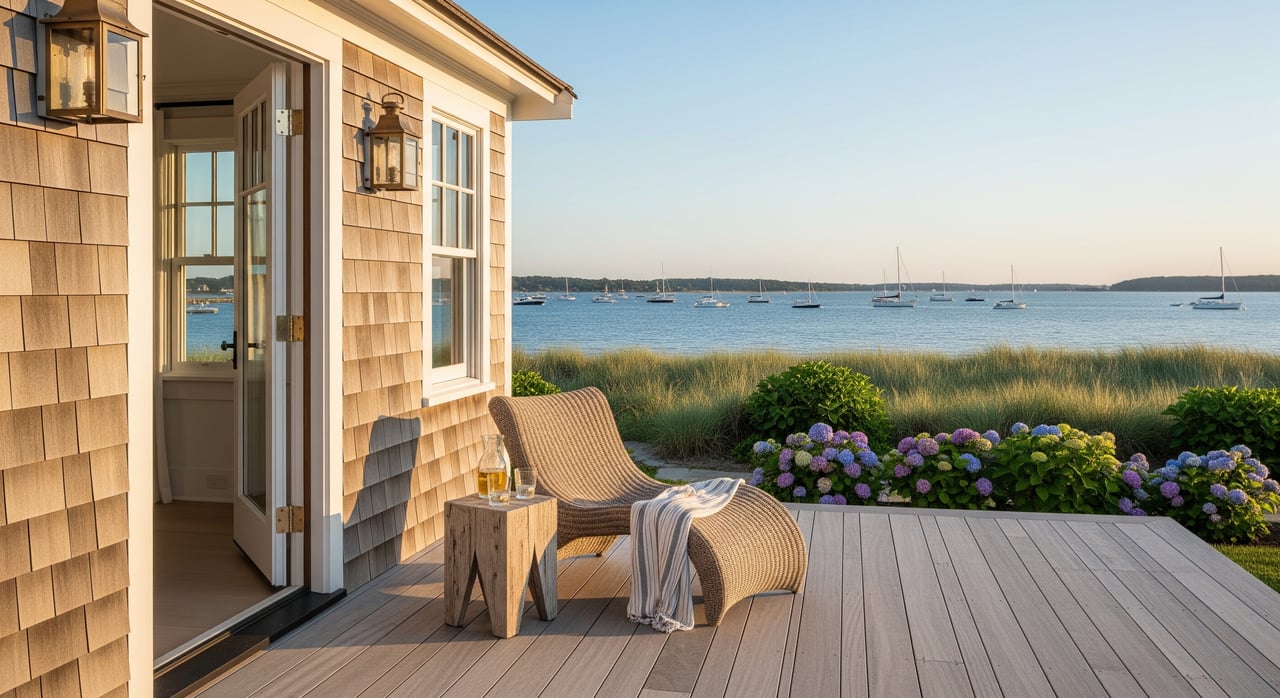
Boating is central to summer living, from day sailing and fishing to harbor meetups. Moorings and slips are regulated by the Harbormaster, and availability can be limited. Waiting lists are common for some moorings and slips, so plan ahead.
Ferries, flights, and reservations
Ferries and seasonal flights ramp up in summer, but capacity tightens over holidays and major events. Vehicle ferry spots often sell out first, so reservations well in advance are typical for peak weeks. Fog can delay departures, so keep your schedule flexible.
Owning a boat on-island
If you keep a boat, plan for winter storage or an off-island haulout. Many owners coordinate captain services or marina support for maintenance, fueling, and daily readiness. Spring commissioning is busy, so book earlier in the year when possible.
Dining, shopping, and markets
Reservations and timing
Summer brings outdoor dining and extended hours. Popular restaurants book up, especially in July and August. If you have guests arriving for a holiday week, make key reservations several weeks ahead.
Groceries and farm stands
Grocery shopping is straightforward but more seasonal than on the mainland. Owners often stock up before arrivals or plan deliveries for busy weeks. Farm stands and local markets add variety, and seafood such as scallops, oysters, and cod is a staple in summer kitchens.
Pop-ups and local flavor
The island’s food scene includes artisanal producers and occasional pop-up concepts in the high season. Keep an eye out for special tastings, farm events, and chef collaborations.
Arts and events calendar
The cultural calendar condenses into summer. You will see film and music festivals, gallery openings, sailing regattas, and community fundraisers. These events create great social opportunities, but they also draw crowds and increase demand for transportation and dining.
Practicalities of owning an island home
Historic and coastal considerations
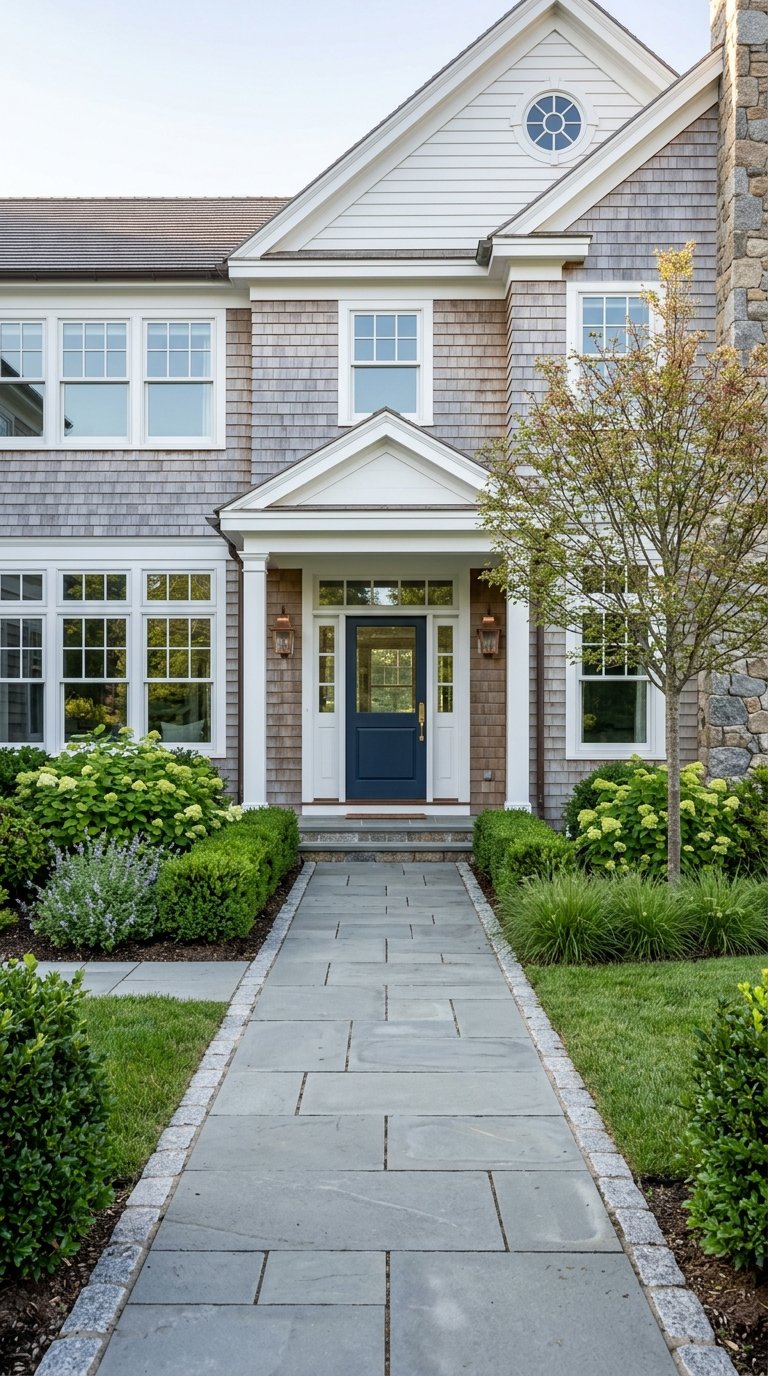
Many properties sit within historic districts that require review for exterior changes. Expect design oversight in downtown and Sconset areas. Coastal homes must plan around erosion, dune rules, setbacks, and permits for shoreline projects.
Maintenance, contractors, and scheduling
Trades and home services are in high demand in summer. Major projects are often scheduled for spring, fall, or winter to avoid peak-season shortages and premium pricing. If you close your home in the off-season, you will want a winterization plan and spring commissioning for systems such as HVAC and water.
Property management and staffing
Many second-homeowners retain a house manager to coordinate arrivals, maintenance, cleanings, and urgent issues. Housekeepers, gardeners, and seasonal caretakers are often booked well ahead for July and August.
Utilities, internet, and coverage
Electricity, water, sewer or septic, and internet are available across most neighborhoods, though some remote areas can have variable broadband or cell coverage. Owners often purchase upgraded internet packages for summer.
Healthcare and emergency planning
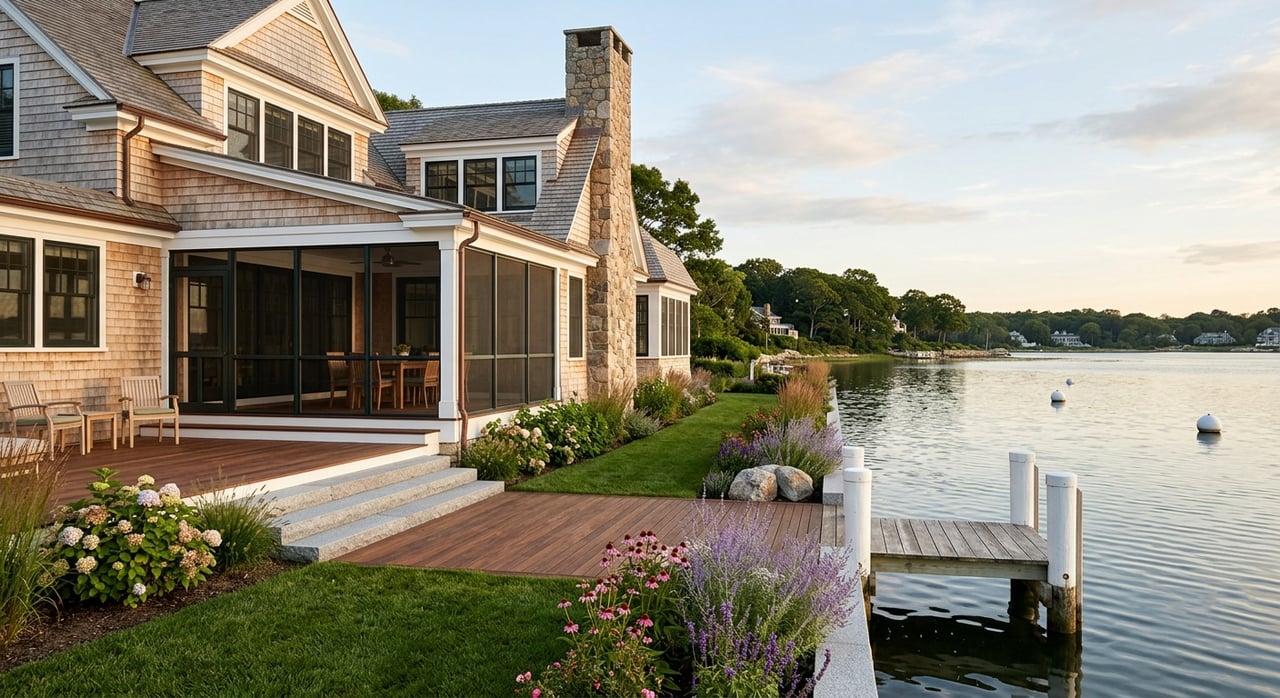
Nantucket Cottage Hospital provides emergency and routine care. For certain specialized services, transfer to mainland facilities is common. Coastal weather means planning for storms and flood risk. Many owners maintain generators, review FEMA flood maps for their property, and carry flood insurance where appropriate.
Getting around the island
Cars are common, but they are not the only option. Downtown and village living allows more walking and biking. E-bikes are increasingly popular. Parking is restricted in peak times near Main Street and at busy beaches, so consider a mix of a car, bikes, and local shuttles or taxis. Some neighborhoods allow golf carts, subject to local rules.
Costs and budgeting
Nantucket is a premium market with pricing driven by scarcity, coastal location, and a strong seasonal lifestyle. Plan a realistic annual budget that includes:
- Property taxes and homeowners insurance
- Flood insurance for coastal or flood-zone homes
- Utilities, including higher summer usage
- Routine maintenance and landscaping
- Beach or shoreline care where applicable
- Harbor or mooring fees if you own a boat
- Property management, housekeeping, and seasonal staffing
Rental income realities
Short-term rentals can offset costs, especially in prime summer weeks. Income is seasonal and varies by location, amenities, and timing. Compliance with local registration, tax collection, and occupancy rules is required. Regulations can evolve, so confirm current requirements before relying on rental revenue.
Smart planning tips for your first season
- Book vehicle ferry reservations early for holiday and event weeks.
- Join mooring or slip waitlists if boating is part of your plan.
- Schedule spring commissioning for home systems and boats before peak demand.
- Line up housekeeping and landscaping for July and August.
- Review historic and coastal permitting timelines before any exterior work.
- Assess flood exposure, confirm coverage, and set up generator maintenance.
- Create a grocery and delivery plan for arrival days.
Where lifestyle meets location
- Downtown and Harbor: Lively scene close to restaurants, shops, and galleries. Convenient for walking and social events.
- Cisco and Madaket: Ocean-facing beaches, surf, and sunset views, with a relaxed feel and easy access to outdoor activities.
- Sconset: Historic village character and scenic walking paths, with a quieter residential feel in many pockets.
- Sound-side beaches: Calmer water and family-friendly settings, with quick access to town and seasonal amenities.
Your choice comes down to how you want to spend your days. Waterfront energy, tucked-away quiet, or a balanced village lifestyle are all on offer.
Make your Nantucket plan with a trusted advisor
A successful island purchase blends lifestyle goals with practical planning. From understanding seasonal rhythms to budgeting for ownership and rental compliance, a seasoned, local perspective helps you make confident decisions. With more than four decades of mortgage banking, development, and brokerage experience, our boutique practice brings financial rigor and hands-on guidance to complex coastal transactions. If you are exploring a summer home on Nantucket, connect with Cliff Carroll to align your wish list, timing, and budget.
FAQs
How busy is Nantucket in summer for homeowners?
- Activity peaks in June through August, with more visitors, traffic, and demand for dining, ferries, and services during holidays and special events.
What should a new Nantucket homeowner book ahead of peak season?
- Reserve vehicle ferry spots, make key dining reservations, schedule spring service for home systems and boats, and secure housekeeping and landscaping.
Do I need a car on Nantucket if I buy near downtown?
- A car is optional for short stays near downtown and village areas, where walking and biking are practical, but a car is convenient for properties outside main villages.
What permits apply for exterior changes in historic Nantucket areas?
- Many exterior changes in historic districts require local review, and coastal properties must follow setbacks and conservation rules, so plan for lead time.
How reliable are ferries and flights during foggy summer weather?
- Ferry and flight schedules are robust in summer, but fog can cause delays, especially during peak travel periods, so keep plans flexible.
What insurance should coastal homeowners consider on Nantucket?
- Many owners carry homeowners and flood insurance based on FEMA flood mapping and local exposure, and they maintain generators and storm plans.
Can short-term rentals reliably offset Nantucket ownership costs?
- Prime summer weeks can produce strong income, but results are seasonal and must comply with local registration, tax, and occupancy rules, plus management fees.