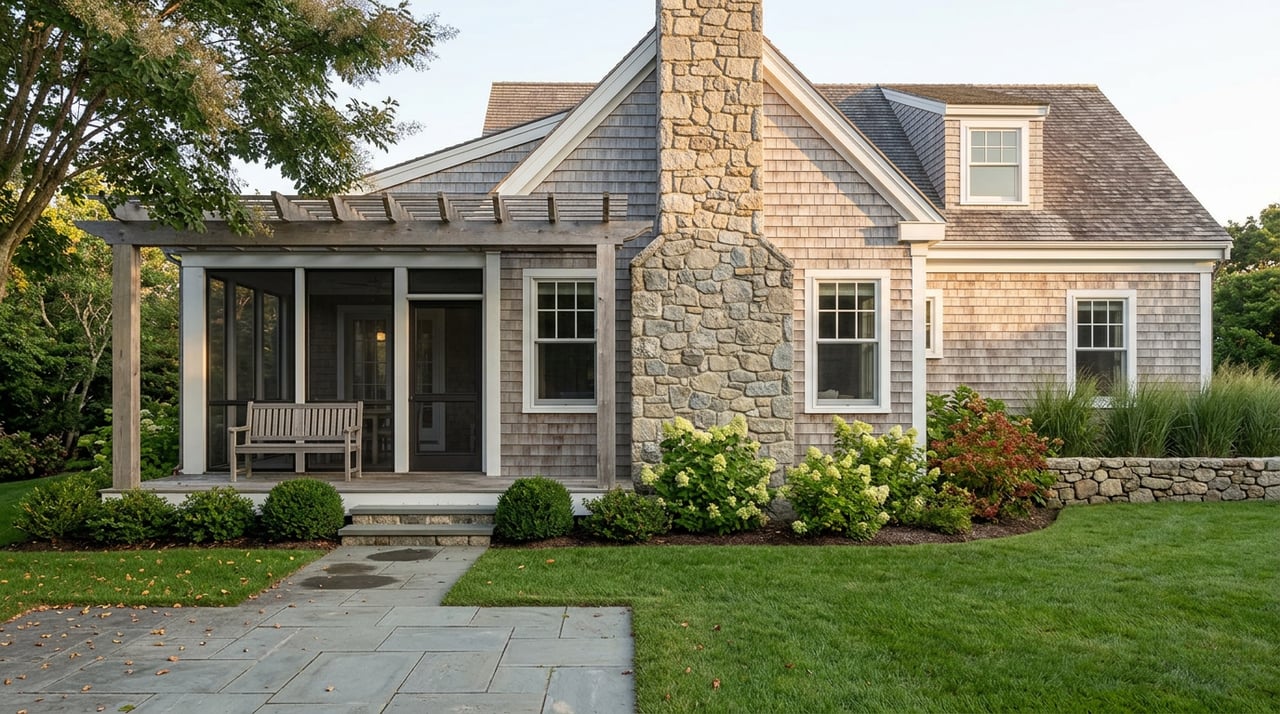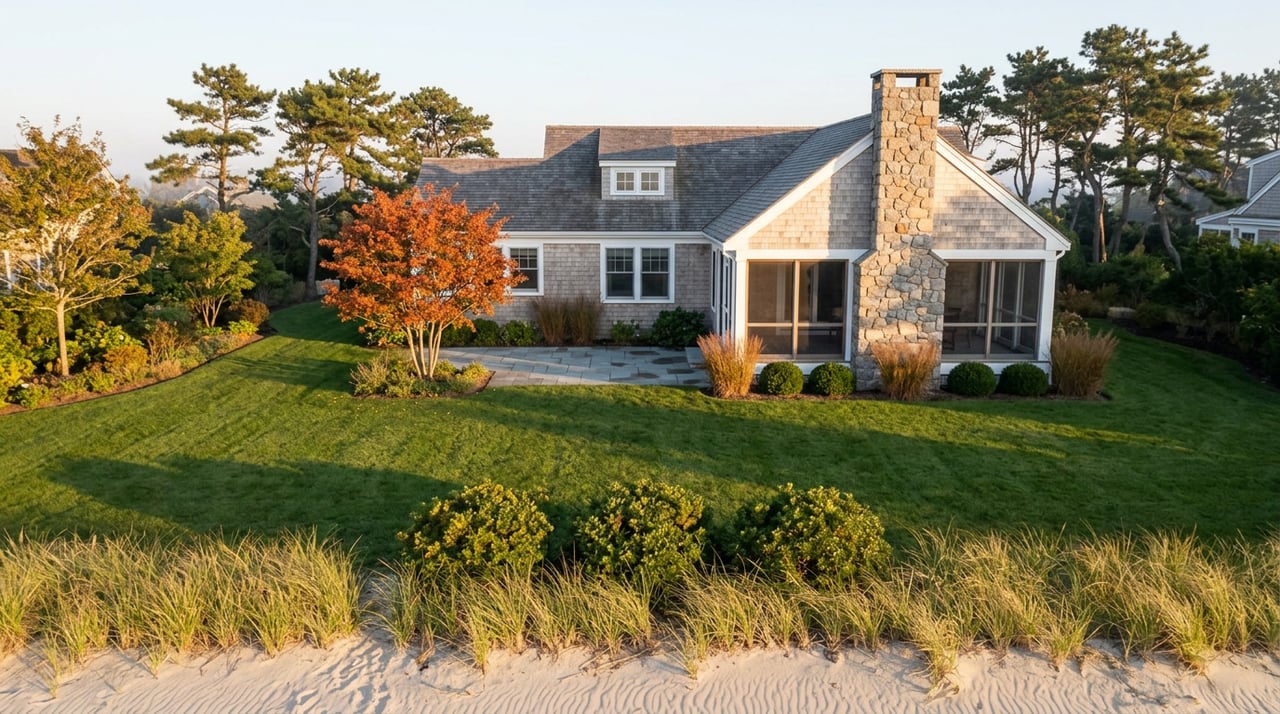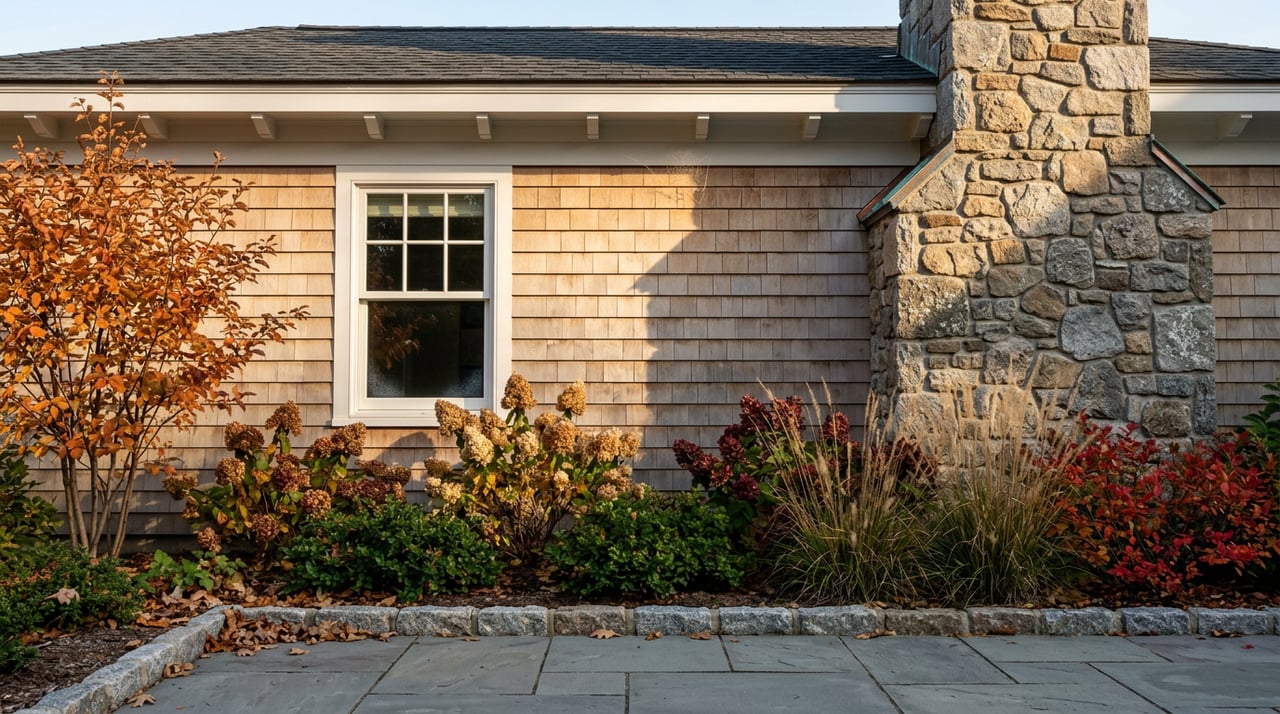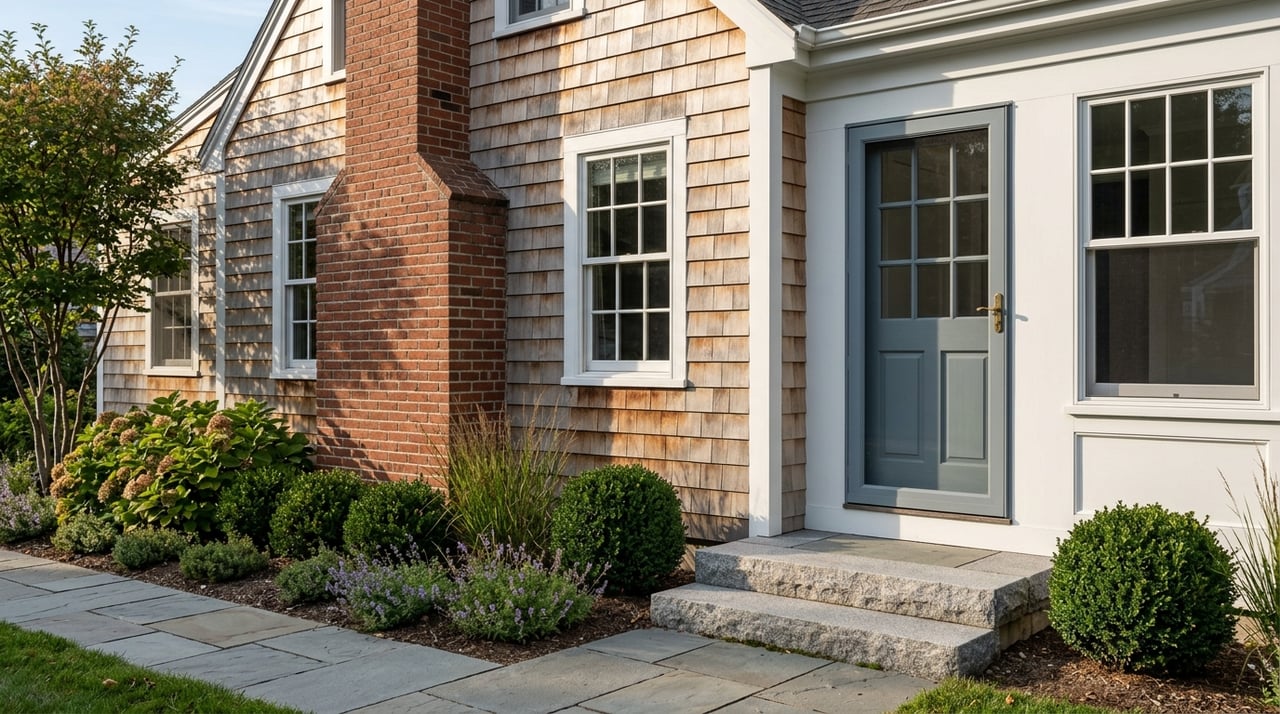
Trying to choose between a historic home and a newer build in Sandwich? You are not alone. In one of Cape Cod’s oldest towns, that choice often comes down to more than style. It affects maintenance, renovation plans, and even what changes you may be allowed to make later. If you are weighing character against convenience, this guide will help you understand how Sandwich’s village setting, housing mix, and historic district rules shape the decision. Let’s dive in.
Sandwich Offers Both Character and Variety
Sandwich is the oldest town on Cape Cod, and that history still shows up clearly in its village layout. According to the Sandwich Historical Commission, the town has documented 22 inventory areas and 815 individual historic properties, along with three National Register Historic Districts: Jarvesville, Town Hall Square, and Spring Hill.
That said, Sandwich is not made up only of centuries-old homes. The Cape Cod Commission housing profile for Sandwich shows that most homes were built between 1950 and 1999, with more than half built between 1975 and 1999. About 12% of the housing stock dates from the 21st century.
For you as a buyer, that means the choice is rarely as simple as “old town” versus “new subdivision.” In Sandwich, many villages mix older core homes with later infill, ranches, capes, and updated single-family properties.
Historic Homes in Sandwich Villages
Historic homes in Sandwich can offer something that is hard to duplicate: a sense of place. In village areas like Sandwich Center, Old County Road, Jarvesville, and Town Hall Square, older homes often sit in settings shaped by centuries of development.
The architecture also spans a wide range of periods. Local landmarks identified by the Sandwich Historical Commission include the c. 1675 Hoxie House, the 1641 Wing Fort House, the 1740 Benjamin Nye Homestead, the 1833 to 1834 Greek Revival Town Hall, and the 1885 Carpenter Gothic Sand Hill School. That variety helps explain why historic homes in Sandwich do not fit just one look.
What Buyers Often Love
Historic homes can appeal to you if you value:
- Original architectural details
- Established village settings
- Scarcity near historic centers
- A home with a strong sense of identity
In some parts of Sandwich, especially areas like Old County Road in East Sandwich, the concentration of 17th-, 18th-, and 19th-century homes is part of what makes the setting so distinctive. Other areas, such as Forestdale, combine older development patterns with 20th-century infill, creating a more mixed-age feel.
What to Watch Closely
Charm comes with responsibility. The National Park Service guidance on historic houses notes that older homes are especially vulnerable to moisture problems around roofs, gutters, windows, doors, masonry, and foundations.
For you, that means condition matters just as much as appearance. A well-maintained older home may be a better long-term fit than a more visually appealing property with deferred upkeep.
Before you move forward on a historic home, pay close attention to:
- Roof age and condition
- Gutter and drainage performance
- Window condition
- Foundation integrity
- Signs of moisture intrusion
- Mechanical, electrical, and plumbing updates
Historic District Rules Matter
One of the biggest differences in Sandwich is not just old versus new. It is whether a home sits inside an area where exterior changes are reviewed.
The Sandwich Historical Commission explains that not every older home is treated the same way. A property may be in an inventory area without being in an official historic district. It may also fall within the Old King’s Highway Regional Historic District, which covers most land north of Route 6.
That distinction matters because the Sandwich Historic District Committee reviews exterior changes in that district for congruity, compatibility, and appropriateness. Depending on the project, sheds, fences, signs, demolition, and some solar-related work may require review or a separate exemption.
Why This Affects Your Decision
If you are considering a historic home, or even a newer home within a regulated area, ask early:
- Is the property in the Old King’s Highway Regional Historic District?
- Is it in a local or National Register historic district?
- Is it only in an inventory area?
- What exterior work has already been approved?
- Would your future plans require committee review?
These questions can shape everything from paint and trim decisions to additions, outbuildings, and exterior upgrades.
Renovating a Historic Home
If you love older homes but want modern function, renovation may still be possible. The key is understanding the difference between updating a home and remaking it.
The National Park Service treatment standards describe rehabilitation as the most commonly used treatment for historic buildings because it allows compatible alterations and additions while preserving character-defining features. The same guidance notes that limited, sensitive upgrades to systems like plumbing, electrical, and mechanical components can be appropriate.
That is an encouraging framework if you want a home that feels current without losing what makes it special. Still, your plans should match the property, its condition, and any district requirements that apply.
Historic Home Buyers Should Think About
Before buying with renovation in mind, consider:
- Whether the home’s defining features can be preserved
- Whether your ideal updates are mostly interior or exterior
- Whether additions are realistic for the site and review process
- Whether you are prepared for ongoing maintenance after the work is done
In Sandwich, the right historic purchase is often one where character and your practical goals line up from the start.
What Newer Builds Change for Buyers
If your priority is lower maintenance and simpler ownership, a newer home may be the better fit. In Sandwich, though, “newer” often means newer relative to village context, not necessarily brand new on a national scale.
The Cape Cod Commission profile reports that only about 12% of Sandwich housing was built in the 21st century. That makes newer inventory relatively limited.
Why Buyers Lean Newer
A newer home may appeal to you if you want:
- Fewer immediate repair concerns
- More modern layouts
- Updated building systems
- Less preservation-related complexity
- Easier day-to-day maintenance
That can be especially important if Sandwich will be your primary residence, seasonal home, or a property you want to enjoy with fewer projects right away.
One Important Caveat
A newer home is not automatically free from regulation. If it is located within a historic district, exterior changes may still be subject to review. So while newer homes often feel more flexible, parcel-specific due diligence still matters.
Price Is About More Than Age
It is easy to assume historic means more expensive or newer means better value, but Sandwich does not work that neatly.
The Cape Cod Commission housing profile lists a 2025 median home sales price of $707,500 and estimates that a household would need about $233,000 in annual income to afford a median-priced home. That same profile lists a 2024 median household income of $122,486, which highlights how competitive affordability can be.
For buyers comparing historic and newer homes, price often reflects different kinds of value. Historic homes may command attention for setting, scarcity, and village location. Newer homes may be priced more around condition, size, and immediate livability.
In other words, you are often balancing two different kinds of premium:
- Historic premium: character, location, setting, and rarity
- Newer-home premium: convenience, updated systems, and easier ownership
Which Option Fits You Best?
The better choice usually comes down to how you want to live in the home.
If you are drawn to period details, village atmosphere, and a property with a strong architectural identity, a historic home may feel worth the added care. If you would rather focus on comfort, flexibility, and fewer near-term projects, a newer or heavily updated home may serve you better.
A simple way to frame the decision in Sandwich is this: historic homes often offer more character and more oversight, while newer homes often offer more convenience and more flexibility. Neither is automatically better. The right fit depends on your priorities, your timeline, and how much responsibility you want to take on after closing.
If you are comparing homes across Sandwich villages, working with an advisor who understands district boundaries, property positioning, and the financial side of ownership can help you avoid costly surprises. When you are ready to talk through your options in Sandwich or anywhere on the Cape, connect with Cliff Carroll for experienced, practical guidance tailored to your goals.
FAQs
What makes a historic home in Sandwich different from an older home?
- A historic home may be located in a recognized historic district or inventory area, while an older home may simply have age without the same review requirements or designation.
Can a newer home in Sandwich still be subject to historic district rules?
- Yes. If a newer home is located within the Old King’s Highway Regional Historic District or another regulated area, some exterior changes may still require review.
What should you inspect first when buying a historic home in Sandwich?
- Focus early on the roof, gutters, windows, foundation, signs of moisture intrusion, and the age and condition of major systems.
Are most homes in Sandwich historic properties?
- No. Most homes in Sandwich were built between 1950 and 1999, even though the town has a strong historic identity and many documented historic properties.
Is a historic home in Sandwich harder to renovate?
- It can be more complex because exterior work may be reviewed, and updates should preserve character-defining features where possible.
Is Sandwich mainly a single-family housing market?
- Yes. The Cape Cod Commission profile indicates that about 90% of residential properties in Sandwich are single-family homes.